

Antistatic foam: when is it needed and how does it work?
In the modern electronics industry, the protection of fragile components plays a crucial role. From circuit boards and microchips to sensitive sensors and measuring equipment: electronic parts can easily be damaged by electrostatic discharge (ESD). One of the most effective solutions to prevent such damage is the use of antistatic foam. This special packaging material not only provides physical protection but also helps manage static electricity.
What is antistatic foam?
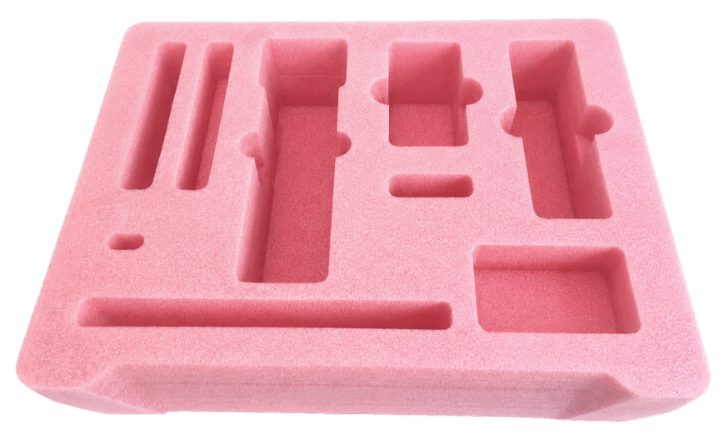
Antistatic foam is a specially developed foam material that reduces or prevents static electricity. It is often produced from polyethylene or polyurethane and contains additives that counteract the buildup of electrical charges. This allows sensitive electronic components to be safely stored, transported, and processed without the risk of damage from electrostatic discharge.
The material is usually recognizable by its pink color, although anthracite-colored foam variants also exist. The color makes it easy to distinguish antistatic foam from standard packaging foam.
Why is protection against static electricity important?
Many electronic components are extremely sensitive to static electricity. A discharge that is barely noticeable to a human can be enough to permanently damage a microchip. This can lead to defective products, higher costs, and dissatisfied customers.
During transport, storage, or assembly, electronic components can be constantly exposed to static charges. Antistatic foam significantly reduces this risk by limiting the buildup of electrical voltage. This ensures the quality of the products and prevents costly damage.
The benefits of antistatic foam
The use of this type of foam offers various benefits for companies working with electronics and other sensitive equipment.
1. Protection against ESD damage
The main benefit is, of course, protection against electrostatic discharge. This ensures that electronic components remain in optimal condition throughout the entire logistical process.
2. Shock-absorbing properties
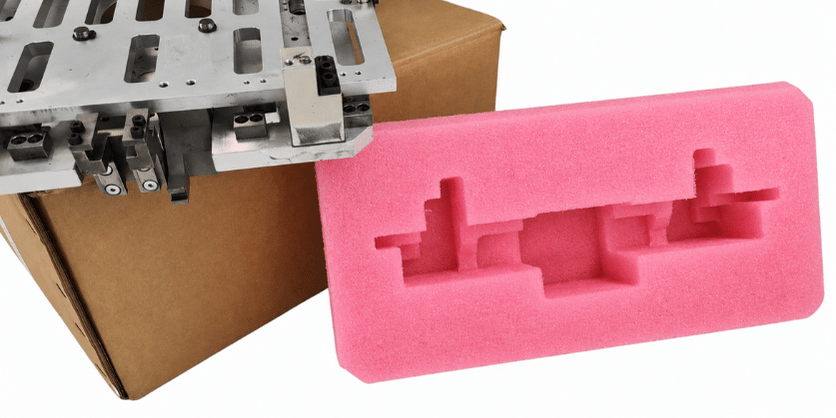
In addition to protection against static electricity, the foam also offers excellent shock absorption. Components are protected against impacts, vibrations, and other mechanical influences during transport.
3. Lightweight material
The material is relatively lightweight. This contributes to lower transport costs and makes it easy to incorporate into various packaging solutions.
4. Versatile applications
The material can easily be cut to size or shaped. This makes it suitable for a wide range of products, from small electronic components to larger industrial devices.
Applications of antistatic foam
Antistatic foam is used in various sectors where sensitive electronics play an important role. These include:
- Electronics industry
- Medical equipment
- Telecommunications
- Aerospace
- Automotive sector
- Laboratories and research institutions
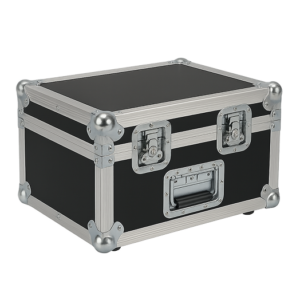
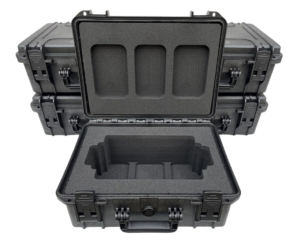
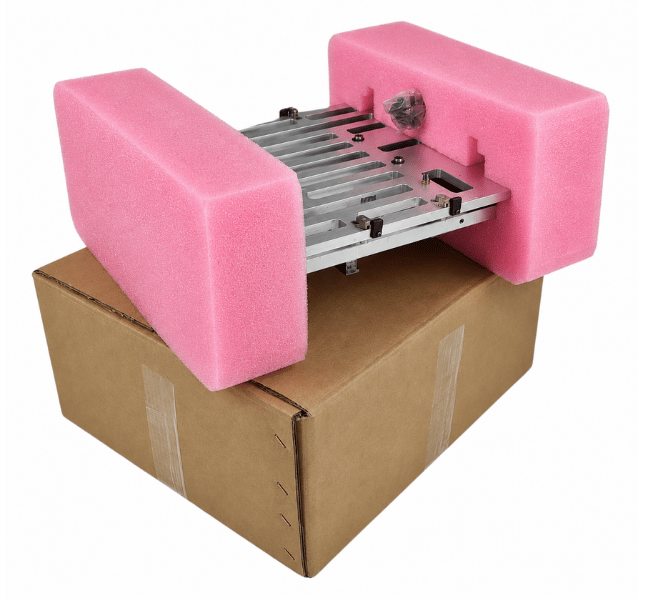
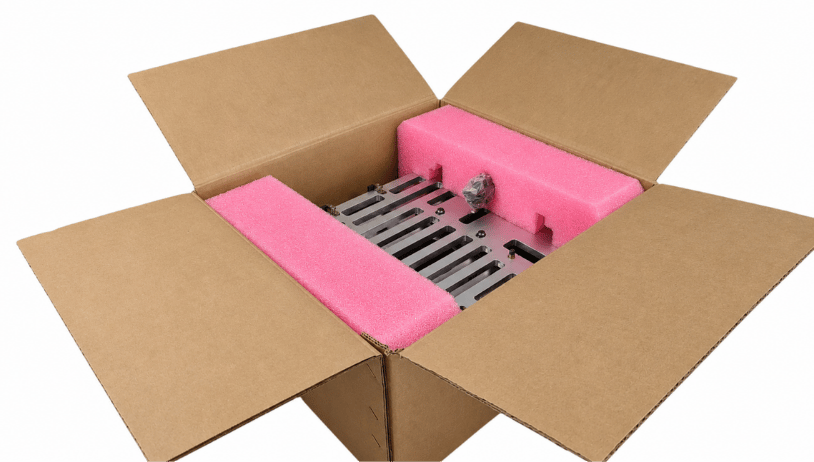
In these sectors, the material is often used as an insert in boxes, crates, flight cases, and storage containers. This keeps products securely in place and protected from external influences.
Difference between antistatic and conductive foam
Although the terms are sometimes used interchangeably, there is an important difference between antistatic foam and conductive foam. Antistatic foam primarily prevents the buildup of static charges. Conductive foam, on the other hand, actively dissipates electrical charges and therefore offers an even higher level of protection.
Which variant is most suitable depends on the sensitivity of the electronic components and the specific application. However, for many standard applications, antistatic foam already provides excellent protection.
We would be pleased to schedule an appointment to develop your packaging
We would be happy to provide you with advice on our packaging options. Please leave your details so we can contact you, or contact us directly. We are always at your service.
We serve our customers from our sales office in Goirle. An appointment can usually be scheduled at short notice.

Ask one of our specialists via our contact page or call directly.